Rare Provisions · Field Notes
What 'Single Micro-Lot' Means in the Cup
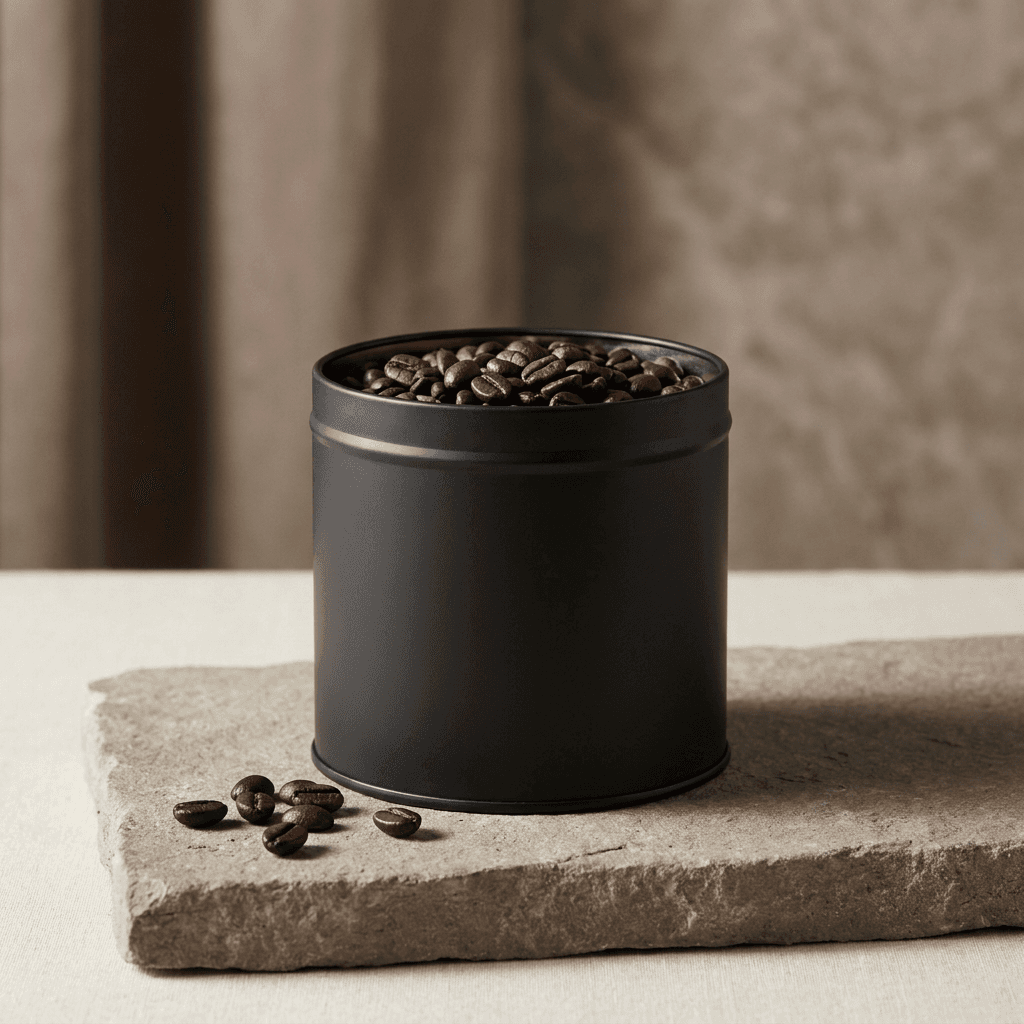
Most coffee is anonymous by design. Beans from many farms are pooled at the mill, blended, and sold as a regional commodity, and by the time they reach a roaster the trail back to any one grower has gone cold. A micro-lot refuses that. It is a small, kept-separate parcel of coffee traced to a single farm — sometimes a single field or a single day's picking — and roasted on its own so its character survives all the way to the cup.
Keeping a lot separate is a decision that costs the farmer effort. It means picking only the ripe cherries, keeping this hillside's harvest apart from that one's, and drying it with extra care rather than merging everything into one big commodity heap. The reward is that the coffee can finally speak in the first person: this grower, this altitude, this varietal, this season.
Three things shape what you taste. Altitude first — coffee grown high and cool ripens slowly, and that slow ripening tends toward a brighter, more articulate cup. Varietal next: the botanical variety of the plant, some prized precisely because they are low-yielding and difficult but carry an unusual aromatic signature. And then process — what happens to the cherry after picking. A washed coffee, pulped and fermented and rinsed clean, tends to read crisp and clear; a natural, dried whole with the fruit still on, leans jammy and wild. Same bean, two different stories.
Put those together and a single micro-lot becomes a portrait of a place: the terroir of one hillside, expressed through one farmer's choices. That is the whole reason to keep it separate instead of blending it into consistency — the same reason a single-vineyard wine exists.
We roast in small batches and keep the roast light enough to stay out of the coffee's way, so the origin's own aromatics come forward rather than getting buried under char. Blending smooths; single-origin reveals.
To meet a micro-lot properly, brew it black and drink it as it cools. The aromas shift and open across the temperature range, and a good lot will keep giving you new notes as the cup comes down from hot. It is, in the best sense, a coffee for the ritual of the morning — a small daily act of paying attention to where something came from.
More field notes